














Cooling technology is one of the most marketed and least understood features in modern mattresses. Terms like "gel-infused," "phase-change," "copper foam," and "cooling cover" appear on product pages everywhere, but they describe different mechanisms with different levels of effectiveness. This guide explains how each cooling technology actually works, what it can and cannot do, and how to evaluate claims. For practical advice on choosing a cooling mattress, see our cooling mattress guide for hot sleepers.
Breathable Covers
The cover is the layer closest to your body, and it is the first thing you feel when you lie down. Cooling covers use breathable fabrics — often blends of polyester, rayon, or natural fibers — that allow air to pass through and moisture to evaporate.
Some covers go further with cooling fibers or treatments. These covers feel cool to the touch initially because the fibers conduct heat away from the skin. However, the cooling effect diminishes as the cover warms to body temperature — usually within 5–10 minutes. A breathable cover is a good starting point, but it cannot cool you on its own.
Phase-Change Materials
Phase-change materials (PCMs) are the most technically sophisticated cooling technology in mattresses. PCMs absorb, store, and release heat as they change between solid and liquid states. When your body temperature rises, the PCM absorbs heat and feels cool. When you cool down, it releases the stored heat back.
PCMs are often infused into covers or foams as microcapsules. The effect is real and noticeable — a PCM-treated surface feels cooler for longer than a standard cover. However, PCMs have a limited heat capacity. Once the material has absorbed all the heat it can hold, it stops cooling until it has a chance to release that heat (which happens when you are not on the mattress). PCMs extend the time before you overheat but do not provide unlimited cooling.
Gel, Copper, and Graphite-Infused Foams
Infused foams add conductive materials to memory foam or polyfoam to improve heat dissipation. The three most common infusions are:
| Infusion | How It Works | Effectiveness |
|---|---|---|
| Gel | Gel beads conduct heat away from the body through the foam | Moderate — cooler than traditional foam |
| Copper | Copper particles draw heat away; also antimicrobial | Moderate — similar to gel, with hygiene benefits |
| Graphite | Graphite particles conduct heat efficiently through the foam | Moderate to good — often combined with gel |
All three infusions work through heat conduction — they pull heat away from your body and distribute it through the foam. This is more effective than traditional memory foam, which traps heat, but it is less effective than coil airflow. Infused foams are a useful component of a cooling system but are not a complete solution on their own.
Open-Cell Foam
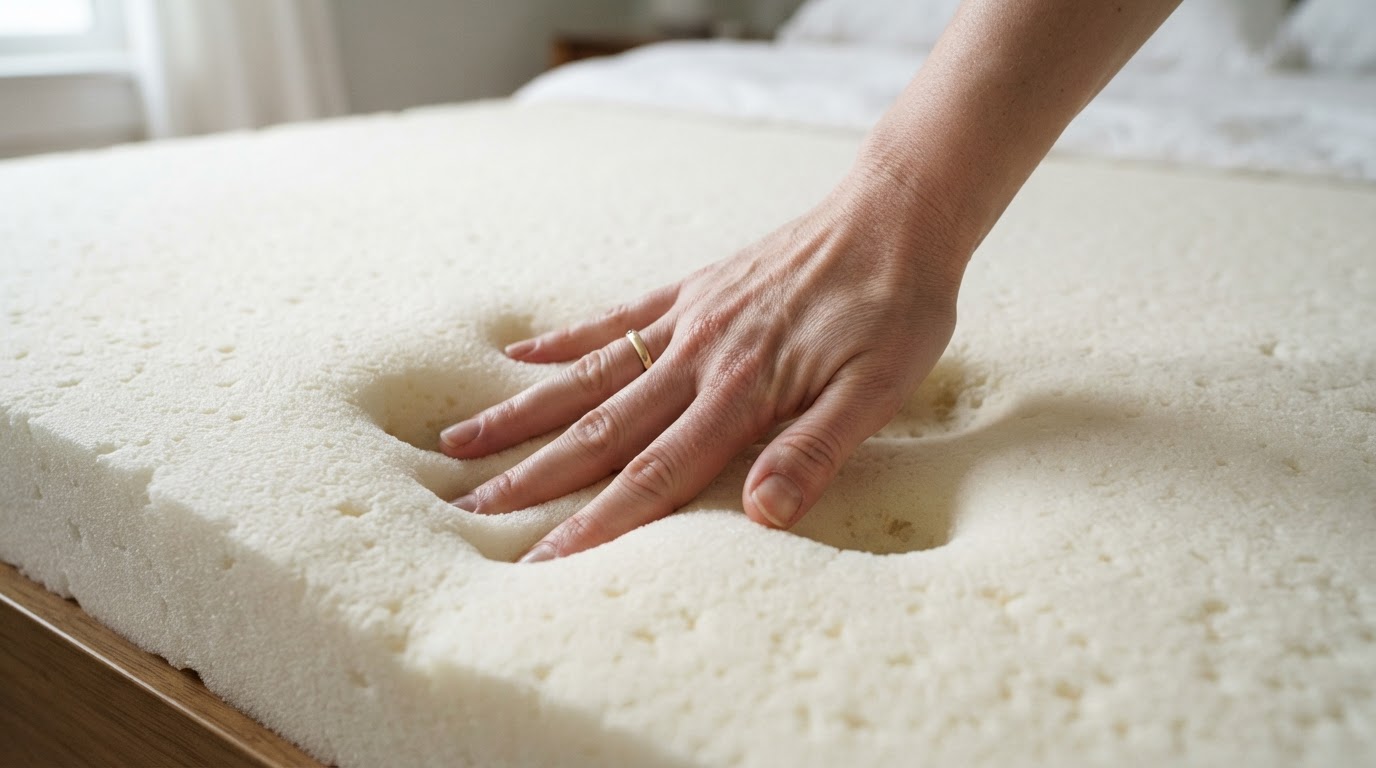
Open-cell foam is a structural improvement to memory foam or polyfoam. Traditional "closed-cell" foam traps air in isolated pockets, which traps heat. Open-cell foam is manufactured with internal air channels that allow air to move through the foam, improving ventilation.
Open-cell foam sleeps cooler than traditional memory foam because the air channels allow heat to escape. It is often combined with gel or graphite infusions for additional cooling. However, open-cell foam is still a solid material — it cannot match the airflow of a coil system.
Coil Systems and Airflow
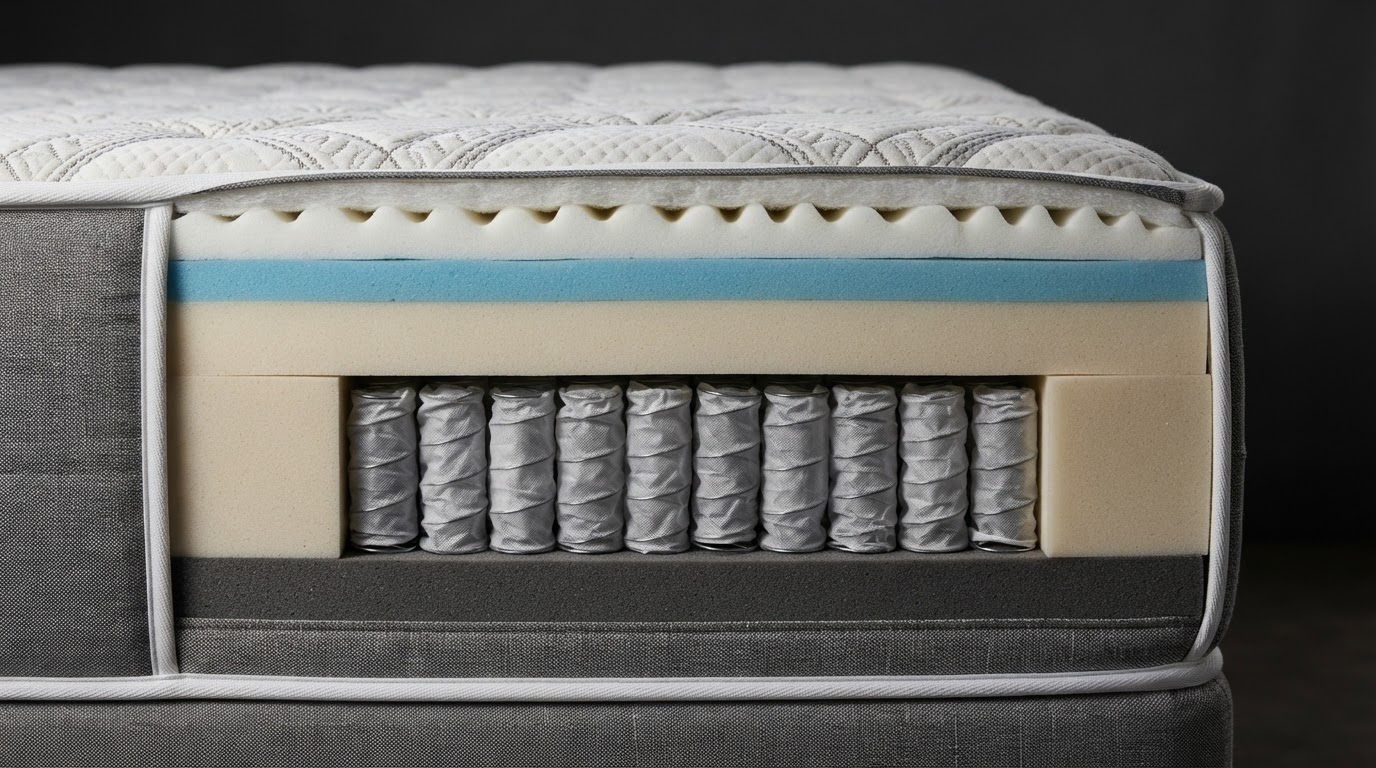
The most effective cooling mechanism in any mattress is airflow through a coil system. Hybrid and innerspring mattresses have a coil core that creates an open air channel running the full depth of the mattress. As you move and shift, air circulates through the coils, carrying heat away.
No foam additive, cover, or infusion can match the cooling effect of continuous airflow. If you sleep very hot, a hybrid mattress with breathable comfort layers will almost always outperform an all-foam mattress, regardless of the foam's cooling features.
What to Test or Ask in a Showroom
- ›Ask which cooling technologies each mattress uses — covers, foams, coils.
- ›Feel the cover surface — does it feel cool to the touch? Ask if it uses phase-change material.
- ›Compare a hybrid and an all-foam mattress to feel the airflow difference.
- ›Ask about gel, copper, or graphite infusions in the comfort layers.
- ›Lie on the mattress for 10+ minutes to feel how the cooling holds up over time.
The Limits of Cooling Terminology
Cooling marketing can be misleading. Here is what to keep in mind:
- "Cooling" does not mean "cold." No mattress actively refrigerates. Cooling technologies slow heat buildup — they do not lower the temperature below room temperature.
- Surface coolness is temporary. A cool-to-the-touch cover feels great for the first few minutes but warms up as your body heat accumulates.
- One feature is not enough. The best cooling mattresses combine multiple technologies — breathable covers, conductive foams, and coil airflow.
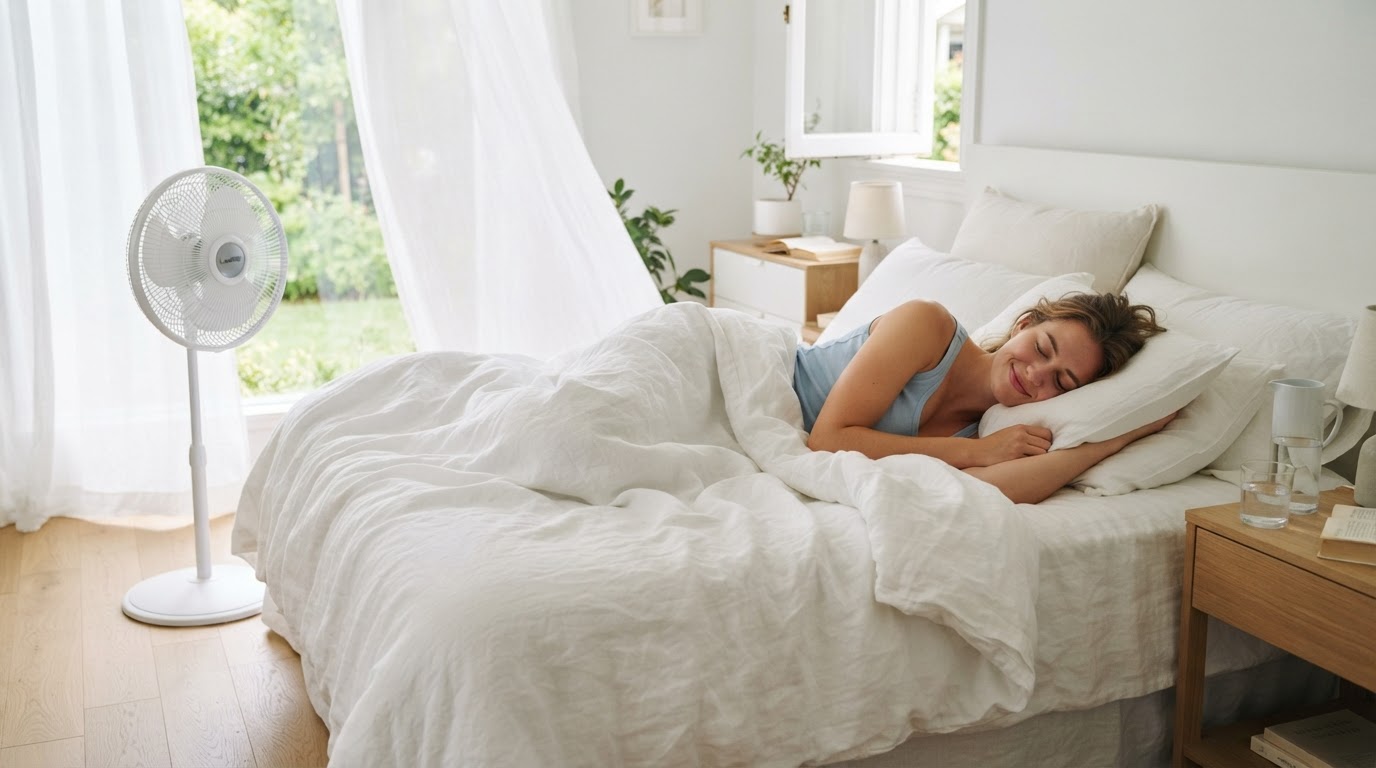
- The room matters. If your bedroom is 80 degrees, no mattress will keep you cool. Address room temperature, bedding, and airflow alongside the mattress.
Ready to find a cooling mattress? Browse our catalog or visit a showroom near you to compare cooling technologies in person.
Sources and Review Standards
This guide was reviewed by the Metro Mattress of Georgia Sleep Team for accuracy. Sources consulted:
Ready to Find Your Mattress?
Visit a Metro Mattress of Georgia showroom to compare brands, test comfort levels, and talk with a Sleep Pro — no pressure, just honest guidance.