















Body weight changes how a mattress performs. Heavier sleepers compress comfort layers more deeply, put more stress on coils and foundations, and need more durable construction to prevent premature sagging. This guide explains what to look for in a mattress and foundation if you weigh more than 230 pounds, with practical advice on comfort depth, edge stability, and weight capacity. The goal is durable, comfortable support that lasts — not a one-size-fits-all recommendation.
Why Support Matters More at Higher Weights
Every mattress has a support core — coils, high-density foam, or latex — and a comfort layer on top. At higher body weights, the comfort layer compresses more deeply, which means you are more likely to "bottom out" and feel the support core underneath. This is uncomfortable and can create pressure points.
The solution is not simply a firmer mattress. It is a mattress with enough comfort layer depth to cushion your body and a support core strong enough to hold up over time. Hybrids with reinforced pocketed coils tend to excel here because the coils provide durable, responsive support while the foam layers provide cushioning.
Comfort Layer Depth
For sleepers over 230 lbs, comfort layer depth is critical. A thin comfort layer (under 2 inches) will compress fully under higher weight, leaving you resting on the firm support core. Look for:
- At least 3 inches of comfort foam — memory foam, latex, or a combination — over the support core.
- High-density foams — 1.8 lbs/ft³ or higher for base foam, which resists body impressions better than low-density foam.
- Total mattress thickness of 12+ inches — enough material to cushion and support without bottoming out.
Edge Stability
Edge support matters for everyone, but it is especially important for heavier sleepers. Weak edges collapse when you sit on them to put on shoes or when you sleep near the perimeter. This reduces the usable sleeping surface and makes the mattress feel smaller than it is.
Look for mattresses with reinforced edge support — either a foam encasement around the perimeter or edge coils with heavier gauge wire. These keep the edges firm and supportive under higher weight.
Foundation and Weight Capacity
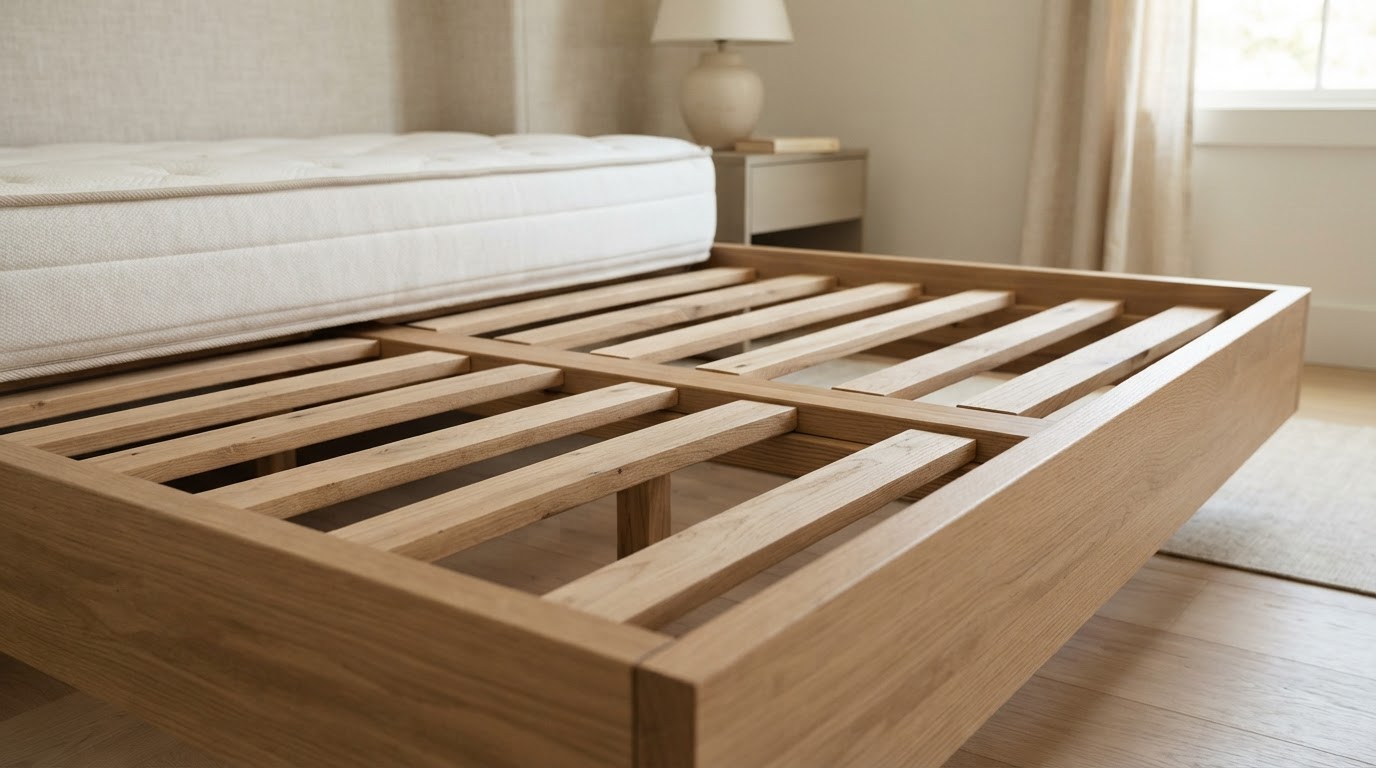
The foundation under your mattress is just as important as the mattress itself for heavier sleepers. An inadequate foundation will cause sagging and may void your warranty. Requirements:
| Foundation Feature | Requirement for Heavier Sleepers |
|---|---|
| Slat spacing | No more than 2–3 inches apart |
| Center support | Required for Queen and larger sizes |
| Weight capacity | Must exceed combined sleeper + mattress weight |
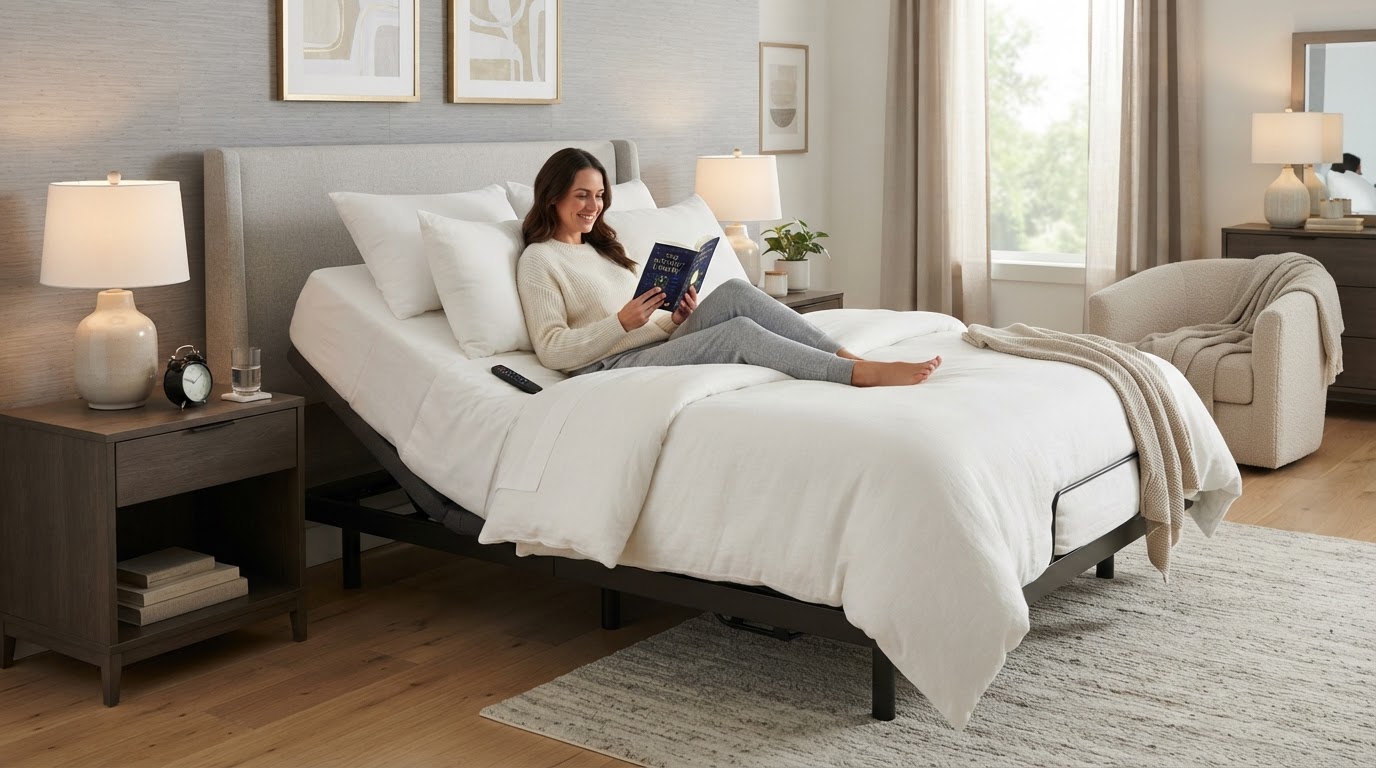
| Adjustable base capacity | Check stated limit — includes mattress + sleepers |
For more on foundation types, read our foundation guide. For adjustable base weight capacities, see our adjustable base guide.
What to Test or Ask in a Showroom
- ›Ask the Sleep Team for the manufacturer's recommended weight range for each model.
- ›Lie on the mattress in your usual sleep position for at least 10 minutes.
- ›Sit on the edge to test edge support under your weight.
- ›Ask about comfort layer thickness and foam density.
- ›Verify the foundation or adjustable base weight capacity before purchasing.
What to Look For
Here is a quick checklist for heavier sleepers:
- ☐ Hybrid construction with reinforced pocketed coils
- ☐ At least 3 inches of comfort foam
- ☐ Total mattress thickness of 12+ inches
- ☐ High-density base foam (1.8 lbs/ft³ or higher)
- ☐ Reinforced edge support (foam encasement or edge coils)
- ☐ Foundation with center support and adequate weight capacity
- ☐ Firmness of 6–8 on a 1–10 scale, depending on sleep position
Ready to find a supportive mattress? Browse our catalog or visit a showroom near you. Our Sleep Team can help you identify models with the construction and weight capacity you need.
Sources and Review Standards
This guide was reviewed by the Metro Mattress of Georgia Sleep Team for accuracy. Sources consulted:
Ready to Find Your Mattress?
Visit a Metro Mattress of Georgia showroom to compare brands, test comfort levels, and talk with a Sleep Pro — no pressure, just honest guidance.