















The base under your mattress matters as much as the mattress itself. The wrong base can cause sagging, void the warranty, and reduce the lifespan of your mattress. But with terms like "box spring," "foundation," and "platform bed" used interchangeably, it is easy to get confused. This guide explains the differences, which base works with which mattress type, and what to check before you buy. The short answer: most modern mattresses need a solid or slatted foundation, not a traditional box spring.
Box Spring vs. Foundation vs. Platform
These three terms describe different types of mattress bases, and they are not interchangeable:
| Base Type | Construction | Best For |
|---|---|---|
| Box spring | Fabric-covered wooden frame with internal springs | Traditional innerspring mattresses |
| Foundation | Solid or slatted upholstered base, no springs | Memory foam, latex, hybrid mattresses |
| Platform bed | Bed frame with built-in slats or solid surface | All mattress types (no separate base needed) |
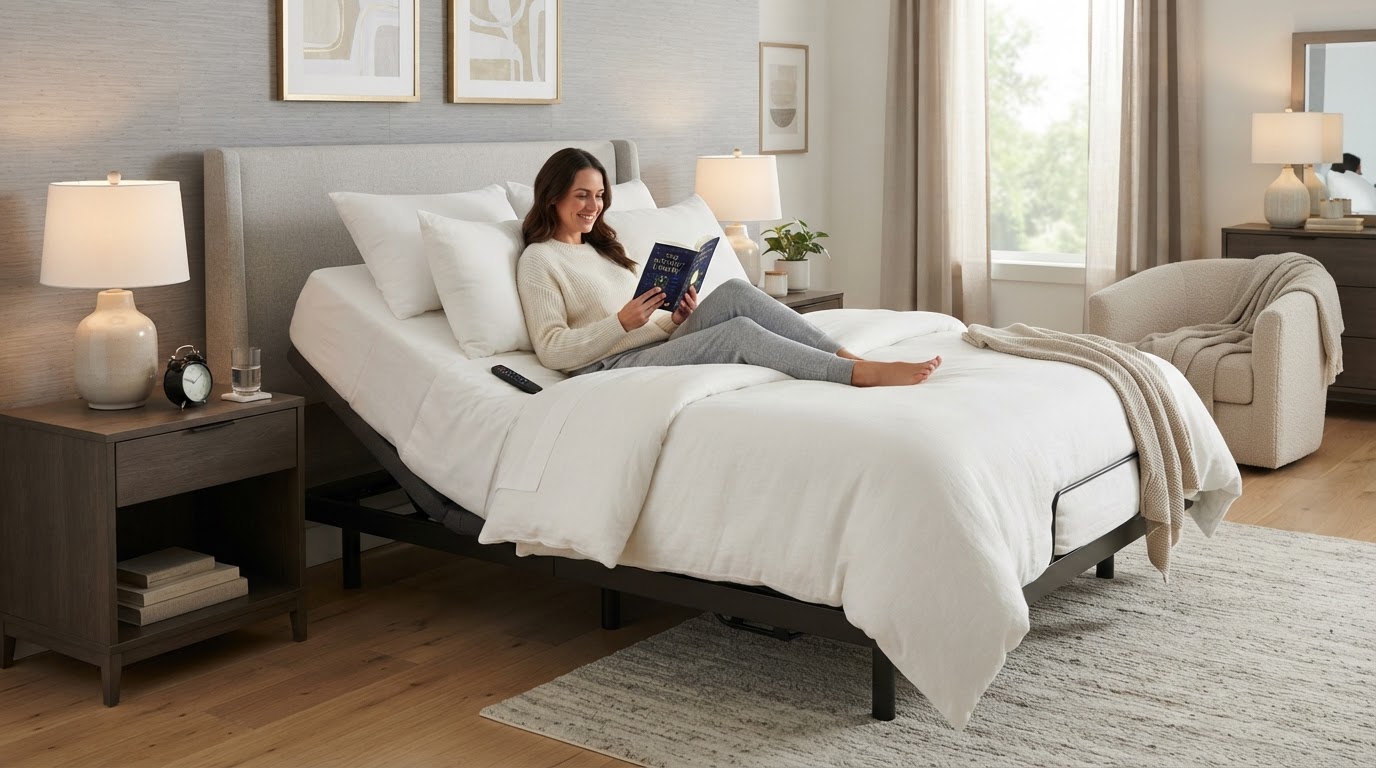
| Adjustable base | Motorized frame with articulating sections | Compatible foam, latex, or hybrid mattresses |
Mattress Compatibility
The type of mattress you have determines the type of base you need:
- Memory foam and latex: Require a solid or closely-slatted foundation or platform bed. A box spring's springs do not provide the even, flat surface these mattresses need.
- Hybrid mattresses: Require a solid or closely-slatted foundation or platform bed. The foam comfort layers need even support.
- Traditional innerspring: Can work with a box spring, which absorbs shock and adds bounce. Can also be placed on a foundation or platform bed.
- Adjustable-compatible mattresses: Can be placed on an adjustable base. See our adjustable base guide for compatibility details.
Slat Spacing and Center Support
If your base uses slats — whether a foundation, platform bed, or bed frame — two factors matter:
Slat spacing: For memory foam and hybrid mattresses, slats should be no more than 2–3 inches apart. Wider gaps allow the mattress to sag between the slats, creating uneven support and potentially voiding the warranty. If your slats are too far apart, you can add a bunkie board (a thin, solid panel) to create a flat surface.
Center support: Queen, King, and California King mattresses require a center support leg or beam to prevent sagging in the middle. Without it, the mattress and frame can sag under the weight of two sleepers. Most manufacturers require center support for Queen and larger sizes to maintain warranty coverage.
Height and Airflow
The base affects the overall height of your bed and the airflow around the mattress:
- Box springs add 7–9 inches of height and allow some airflow through the springs.
- Foundations add 7–9 inches and provide a solid surface with limited airflow.
- Platform beds vary in height (often 10–18 inches total) and may have slats that allow airflow or a solid surface that does not.
- Adjustable bases add 8–15 inches and allow some airflow when flat.
If you sleep hot, a slatted base allows more airflow than a solid one, which can help the mattress breathe.
What to Test or Ask in a Showroom
- ›Ask the Sleep Team what foundation type your mattress requires.
- ›If you have a platform bed, check the slat spacing before buying a mattress.
- ›Confirm whether your frame has center support for Queen or larger sizes.
- ›Ask about foundation options and pricing.
- ›If considering an adjustable base, confirm your mattress is compatible.
Warranty Considerations
Using the wrong base can void your mattress warranty. Most manufacturers specify the type of foundation required, and using an incompatible base — like a box spring under a memory foam mattress — can cause sagging that is not covered by the warranty.
Before buying a mattress, confirm:
- ☐ The manufacturer's required foundation type
- ☐ Maximum allowed slat spacing
- ☐ Whether center support is required
- ☐ Whether your existing frame or base meets the requirements
If you are not sure, ask the Sleep Team. We can help you match the right base to your mattress. Visit a showroom near you or browse our adjustable bases and foundations.
Sources and Review Standards
This guide was reviewed by the Metro Mattress of Georgia Sleep Team for accuracy. Sources consulted:
Ready to Find Your Mattress?
Visit a Metro Mattress of Georgia showroom to compare brands, test comfort levels, and talk with a Sleep Pro — no pressure, just honest guidance.