















A mattress is a significant investment, and knowing when to replace it can be tricky. Most mattresses last 7–10 years, but the right answer depends on the materials, construction, and how well you have cared for it. This guide covers how long different mattress types last, the visible signs of wear, comfort and support changes, hygiene considerations, and situations where replacement may not actually be necessary. For warranty and comfort exchange details, see our warranties and trials guide.
How Long Different Mattresses Last
Mattress lifespan depends primarily on the materials used. Here is a general guide, though individual results vary based on quality and care:
| Mattress Type | Typical Lifespan | Notes |
|---|---|---|
| Memory foam | 7–10 years | High-density foam lasts longer; low-density foam sags sooner |
| Hybrid | 7–10 years | Coil durability plus foam comfort; quality matters |
| Innerspring | 6–8 years | Coils can lose tension over time; thinner comfort layers wear faster |
| Latex | 10–12+ years | Most durable material; natural latex outlasts synthetic |
These are guidelines, not guarantees. A high-quality hybrid with high-density foam and tempered coils may outlast a cheap latex mattress. Construction quality matters as much as material type.
Visible Signs of Wear
Some signs are obvious — you can see or feel them. If you notice any of these, it is likely time to replace your mattress:
- Visible sagging. A dip or valley where you sleep, visible when the bed is stripped. Sagging deeper than 1.5 inches may also be a warranty issue.
- Body impressions. Permanent indentations where your body lies. Light impressions are normal; deep ones that do not recover are a problem.
- Lumps or bumps. Uneven surface texture, often from foam or fiber shifting inside.
- Tears or fraying. Damaged cover or seams that expose the interior.
- Noise. Creaking or squeaking when you move, often from worn coils or loose components.
Comfort and Support Changes
Sometimes the mattress looks fine but no longer feels right. Comfort and support degrade gradually as materials compress and lose their original properties. Signs include:
- Waking up stiff or achy. If you wake up uncomfortable but feel better as the day goes on, your mattress may no longer be providing adequate support.
- Sleeping better elsewhere. If you sleep better in a hotel or guest bed than at home, your mattress may be the issue.
- Tossing and turning. Increased restlessness can result from pressure points that develop as the mattress softens unevenly.
- Feeling your partner move. If motion isolation has worsened, the foam or coils may have degraded.
Hygiene and Allergens
Over years of use, mattresses accumulate dust mites, dead skin cells, sweat, and body oils. Even with a protector, some buildup is inevitable. Signs that hygiene may be a factor:
- Increased allergy symptoms, especially in the morning
- Odors that do not dissipate with cleaning
- A mattress over 8 years old without a protector
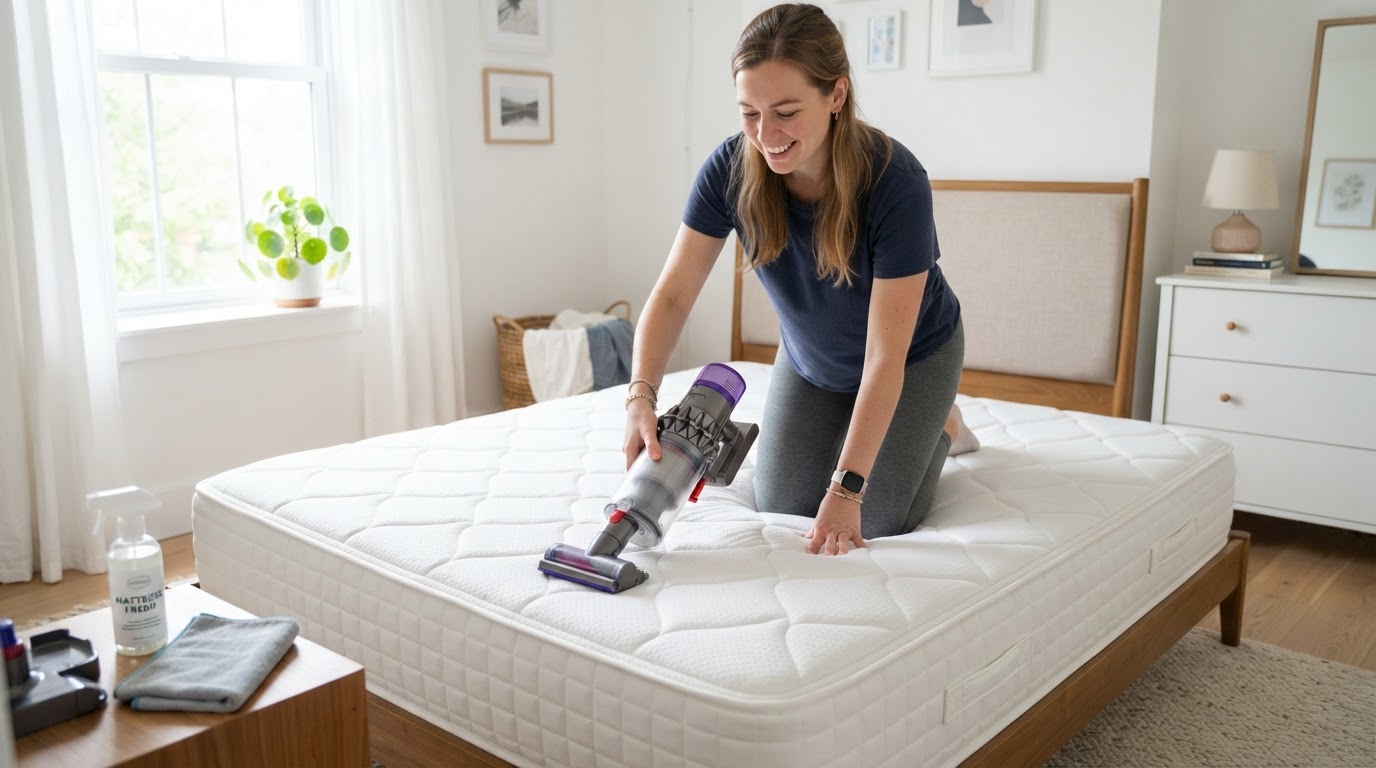
A mattress protector and regular vacuuming help, but after 8–10 years, replacing the mattress is the most effective way to address accumulated allergens. For care tips, see our mattress care guide.
What to Test or Ask in a Showroom
- ›Bring photos of your current mattress, especially any sagging or impressions.
- ›Describe your comfort issues — when do you feel achy, and does it improve during the day?
- ›Test mattresses at a similar firmness to your current one, then try one level firmer and softer.
- ›Ask about materials and construction that affect longevity.
- ›Ask about the warranty and what it covers.
When Replacement May Not Be Needed
Before replacing your mattress, check these other factors — the issue may not be the mattress itself:
- The foundation. A worn or inadequate foundation can cause sagging. Check that your foundation is solid, has center support for Queen and larger, and is not itself sagging. See our foundation guide.
- The pillow. Neck and upper back discomfort may stem from a worn pillow, not the mattress. Pillows should be replaced every 1–2 years.
- Sleep position changes. If you have changed sleep positions (e.g., from back to side sleeping), your current mattress may no longer be the right fit — even if it is not worn out.
- Body changes. Weight gain or loss, injury, or aging can change what your body needs from a mattress.
If the mattress is under 7 years old and none of the visible signs apply, try a new pillow or check the foundation before replacing the mattress. If issues persist, visit a showroom near you to compare your current mattress feel against new options.
Sources and Review Standards
This guide was reviewed by the Metro Mattress of Georgia Sleep Team for accuracy. Sources consulted:
Ready to Find Your Mattress?
Visit a Metro Mattress of Georgia showroom to compare brands, test comfort levels, and talk with a Sleep Pro — no pressure, just honest guidance.